Ratatouille Mosaic: A Garden Palette on Your Plate
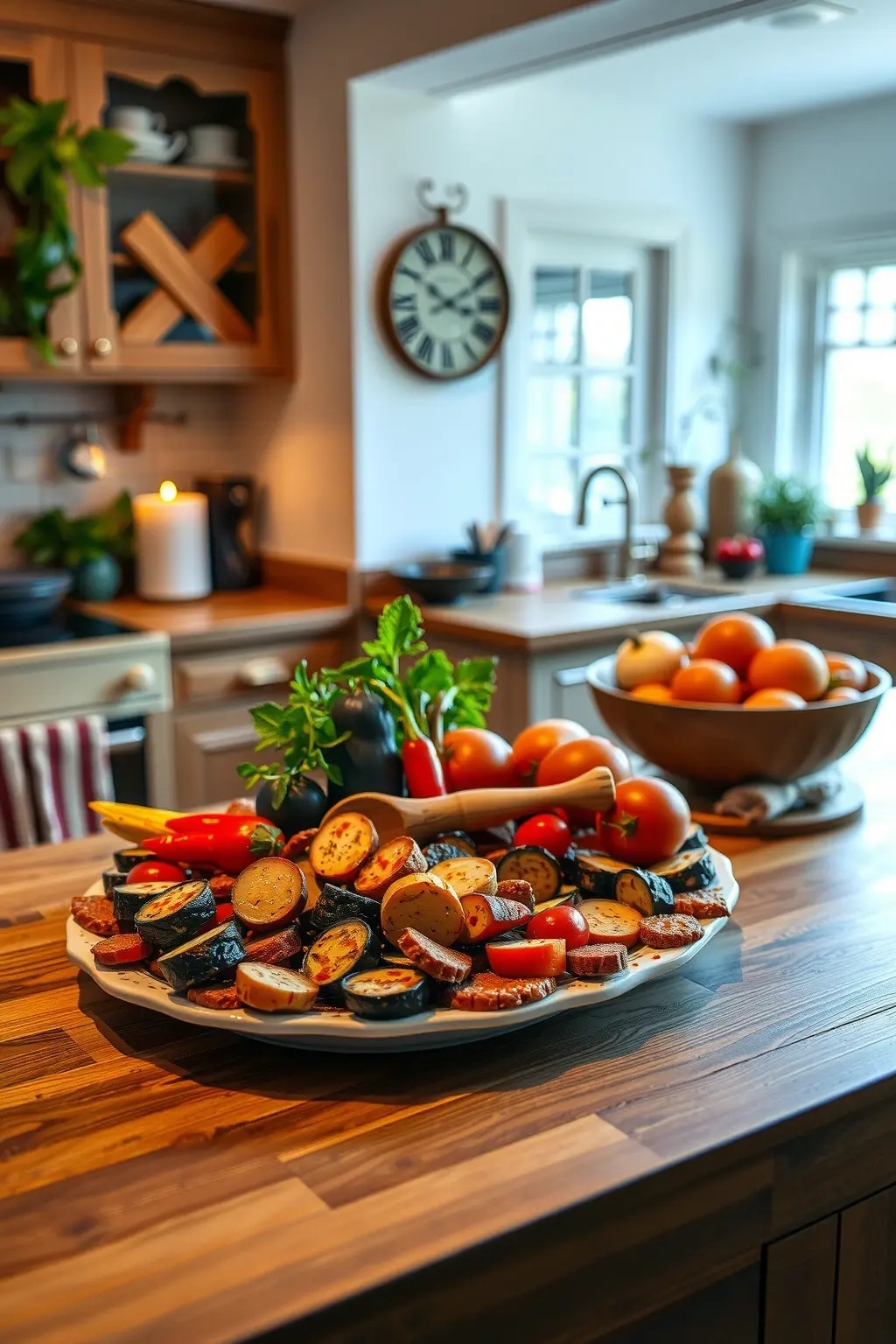
Ratatouille Mosaic transforms the traditional dish into a vibrant masterpiece, each layer telling a story of flavor and color. This interpretation emphasizes the visual appeal of fresh ingredients while maintaining the essence of classic ratatouille.
Ingredients
- 1 medium eggplant, thinly sliced
- 2 medium zucchinis, thinly sliced
- 2 bell peppers (one red, one yellow), thinly sliced
- 2 cups tomato sauce (homemade or store-bought)
- 1 onion, finely chopped
- 3 cloves garlic, minced
- 1 teaspoon dried thyme
- 1 teaspoon dried oregano
- Fresh basil leaves, for garnish
- Olive oil, for drizzling
- Salt and pepper to taste
Instructions
- Preheat your oven to 375°F (190°C).
- In a skillet, heat a drizzle of olive oil over medium heat. Add chopped onion and minced garlic, sautéing until translucent and fragrant.
- Spread the tomato sauce evenly across the bottom of a baking dish. Sprinkle with dried thyme, oregano, salt, and pepper.
- Begin layering the sliced vegetables in a circular pattern, starting with the eggplant, followed by zucchini and bell peppers. Alternate colors to create a mosaic effect.
- Once the vegetables are arranged, drizzle with olive oil and season lightly with salt and pepper.
- Cover the dish with parchment paper or aluminum foil and bake for 30 minutes. Remove the cover and bake for an additional 15 minutes, allowing the vegetables to caramelize slightly.
- Garnish with fresh basil before serving.
Cooking Tips
- For added depth of flavor, consider roasting the vegetables separately before layering them in the dish.
- Experiment with other seasonal vegetables like squash or carrots for added color and taste.
Nutrition Notes
This dish is rich in vitamins A and C, fiber, and antioxidants, making it a nutritious addition to any meal. The colorful vegetables not only provide visual appeal but also a spectrum of nutrients.
Storage & Reheating
Store any leftovers in an airtight container in the refrigerator for up to 3 days. To reheat, simply place in the oven at 350°F (175°C) until warmed through, or microwave in short intervals, stirring occasionally.
Common Mistakes
- Overcrowding the dish can lead to uneven cooking; ensure enough space between the vegetables.
- Skipping the seasoning can result in a bland dish; be generous with herbs and spices.
Pro Tips
- For a deeper flavor, consider adding a splash of balsamic vinegar or a sprinkle of feta cheese before serving.
- Using a mandoline can help achieve uniform vegetable slices, enhancing the overall presentation.
FAQs
- Can I use frozen vegetables? While fresh vegetables are recommended for optimal texture, frozen can be used in a pinch, though they may release more water.
- Is ratatouille served hot or cold? Ratatouille can be enjoyed warm, at room temperature, or even chilled, allowing the flavors to meld beautifully.
Conclusion
The Ratatouille Mosaic is a feast for both the eyes and the palate. Each slice reveals a colorful array of vegetables, a testament to the beauty of simplicity and the artistry of cooking.
Ratatouille Infusion: Herb-Infused Couscous Surprise
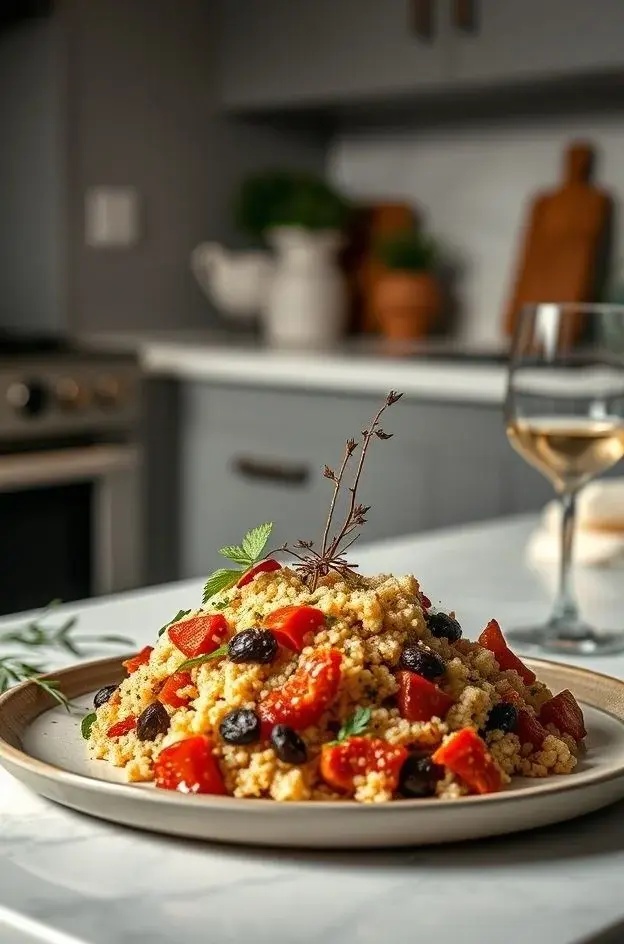
Ratatouille Infusion pairs the classic flavors of ratatouille with the lightness of herb-infused couscous, creating a dish that is both hearty and refreshing. This combination celebrates the essence of Mediterranean cuisine while adding a modern twist.
Ingredients
- 1 cup couscous
- 1 1/4 cups vegetable broth
- 1/4 cup fresh parsley, chopped
- 1/4 cup fresh mint, chopped
- 1/2 teaspoon lemon zest
- 1 medium onion, diced
- 1 bell pepper, diced
- 1 zucchini, diced
- 2 cups prepared ratatouille (from the previous recipe)
- Olive oil, for drizzling
- Salt and pepper to taste
Instructions
- In a pot, bring vegetable broth to a boil. Stir in couscous, cover, and remove from heat. Let it sit for 5 minutes, then fluff with a fork.
- While the couscous cooks, heat olive oil in a skillet over medium heat. Sauté diced onion and bell pepper until softened.
- Add diced zucchini and cook until tender. Season with salt and pepper.
- In a large bowl, combine the cooked couscous, sautéed vegetables, chopped parsley, mint, and lemon zest. Toss gently to combine.
- Serve the herb-infused couscous topped with a generous portion of ratatouille.
Cooking Tips
- For added flavor, consider toasting the couscous in a dry skillet for a few minutes before cooking.
- Feel free to add other vegetables or proteins, such as chickpeas, for a heartier meal.
Nutrition Notes
This dish provides a wealth of nutrients, including complex carbohydrates from couscous and a variety of vitamins from the vegetables. The herbs add not only flavor but also numerous health benefits.
Storage & Reheating
Store leftovers in an airtight container for up to 3 days. Reheat in the microwave or on the stovetop with a splash of broth to prevent drying out.
Common Mistakes
- Not allowing the couscous to rest can lead to clumping; let it sit covered to absorb moisture properly.
- Overcooking the vegetables can result in mushiness; aim for tender yet firm textures.
Pro Tips
- Add a splash of lemon juice just before serving for an extra pop of freshness.
- Experiment with different herbs like dill or tarragon for unique flavor profiles.
FAQs
- Can I use quinoa instead of couscous? Yes, quinoa is a great gluten-free alternative that adds protein.
- How can I make this dish vegan? Ensure the vegetable broth is vegan-friendly, and you’re good to go!
Conclusion
The Ratatouille Infusion not only complements the rich flavors of the vegetable medley but also brings a refreshing twist with herb-infused couscous. This dish is a reminder that simplicity, when elevated, can turn into a culinary celebration.
Tags: colorful vegetables, culinary creativity, garden-fresh ingredients, healthy cooking, herb-infused couscous, Mediterranean cuisine, plant-based recipes, ratatouille, seasonal recipes, summer dishes, vegetarian meals, vibrant food